
Bureau of Consumer Health Services
We protect you through education and enforcement of local, state, and federal public health and environmental rules and standards as they relate to city-regulated waste, food safety, swimming pool safety, and ambulance services.
We also prevent foodborne illness, drownings and waterborne illnesses, and protect the environment against sanitary sewer overflow and other discharges.
Find Houston ordinances for food, pools, ambulance, special waste, and temporary food service.
Frequently Used Forms
EMS Permits
Get ambulance driver and private ambulance company permitting, decal and spot inspections, and learn about EMS program enforcement.

Food Manager and Food Handler Certification
The Houston Health Department's Food Manager and Food Handler Certificate classes prepare and certify individuals to become food service managers and handlers.

Food Permits
We carry out a city-wide program for food safety, to promote health, and to prevent food-borne disease through education, training and regulation. Our program is designed to work in partnership with the people who make the day-today decisions that determine food safety — the owners, operators and employees of all food service establishments.

Temporary Food Permits
A temporary food permit may be issued only if the temporary food service establishment is part of an "event" or "celebration." You may purchase up to 105 days of permits at the same location per calendar year.
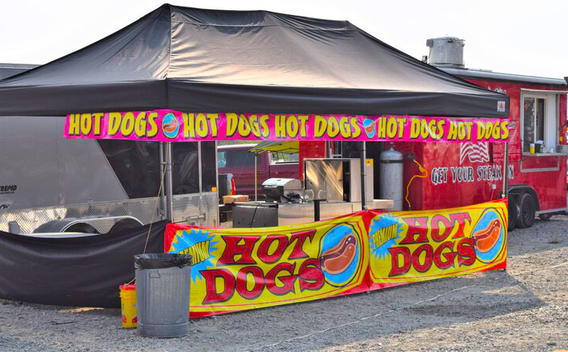
Mobile Food Units
Scheduling your food truck inspection is now easier than ever. Our new, online appointment system lets you join the line from anywhere, wait wherever you want, receive wait time updates, and get notified when it's your turn.

Pool Permits
Our pool safety program works to eliminate dangerous situations that occur when pools and other aquatic facilities are not kept up to standard safety protocols.

Special Waste Permits
Our special waste program tracks waste, such as fat, oil and grease, from commercial and residential establishments. Monitoring these waste products ensures that our city’s environment is protected from pollutants that may harm individuals and ecosystems.

Payments
Pay fees associated with HHD programs and services.

CDC: Food Safety Updates
- Boar's Head Provisions Co. Recalls Ready-To-Eat Liverwurst And Other Deli Meat Products Due to Possible Listeria Contamination
- AW Farms Recalls Ready-To-Eat Hot Dog Products Produced Without Benefit of Inspection
- Taylor's Sausage, Inc. Recalls Ready-To-Eat Landjaeger Sausage Products Due to Misbranding and Undeclared Allergens
- FSIS Issues Public Health Alert for Ineligible Meat and Poultry Products Illegally Imported from the Philippines
- Al-Safa US LLC Recalls Frozen Ready-To-Eat Chicken Products Due to Possible Listeria Contamination
- Michael Foods Inc. Recalls Fair Meadow Foundations Liquid Egg Products Due to Misbranding and Undeclared Allergens
- Totally Cool, Inc., Recalls All Ice Cream Products Because of Possible Health Risk
- Wildly Beloved Foods is Recalling Orzo (Vegan) Dried and Campbell (Vegan) Dried Due to Potential Mold
- DSD Merchandisers, LLC Announces Voluntary Recall of Deluxe Roasted & Salted Mixed Nuts Due to Undeclared Peanut
- Vitakraft Sun Seed Recall of Sun Seed Vita Prima Hedgehog Food Due to Possible Salmonella Health Risk